
My Complete Home Transformation Journey
From Jungle to Wildflower Field
July 2020, Blog
Since we were forced to stay at home this spring due to a global pandemic, we decided to use our time to tackle the rest of our beloved “jungle”. Once we cleared the leaves, vines and weeds, we found remnants of numerous plants that turned out to be mostly native to the Northern Virginia area. With the help of our landscaper, we were careful to preserve as many native plants as we could.
I like the idea of keeping as many native plants as possible in our yard. There are so many practical benefits to encouraging the growth of native plants. They are the foundation of the region’s biodiversity. Not only do they provide key food and shelter to birds, animals and insects. But, a well-balanced ecosystem keeps our air and our water clean. It encourages pollination which is vital to plant and food production. An added benefit – since they are native to the area, they are usually easy to grow and will flourish in our climate.
I spent hours researching the plants we found. I was even able to find more at my local nursery to add to my garden beds. The National Audubon Society was a terrific resource. They’ve done all the hard work for you. You can visit the website here. I also relied on The Northern Virginia Native Plant Guide (here) when deciding which native plans to choose.
Here is a list of the native plants we now have surrounding our home:
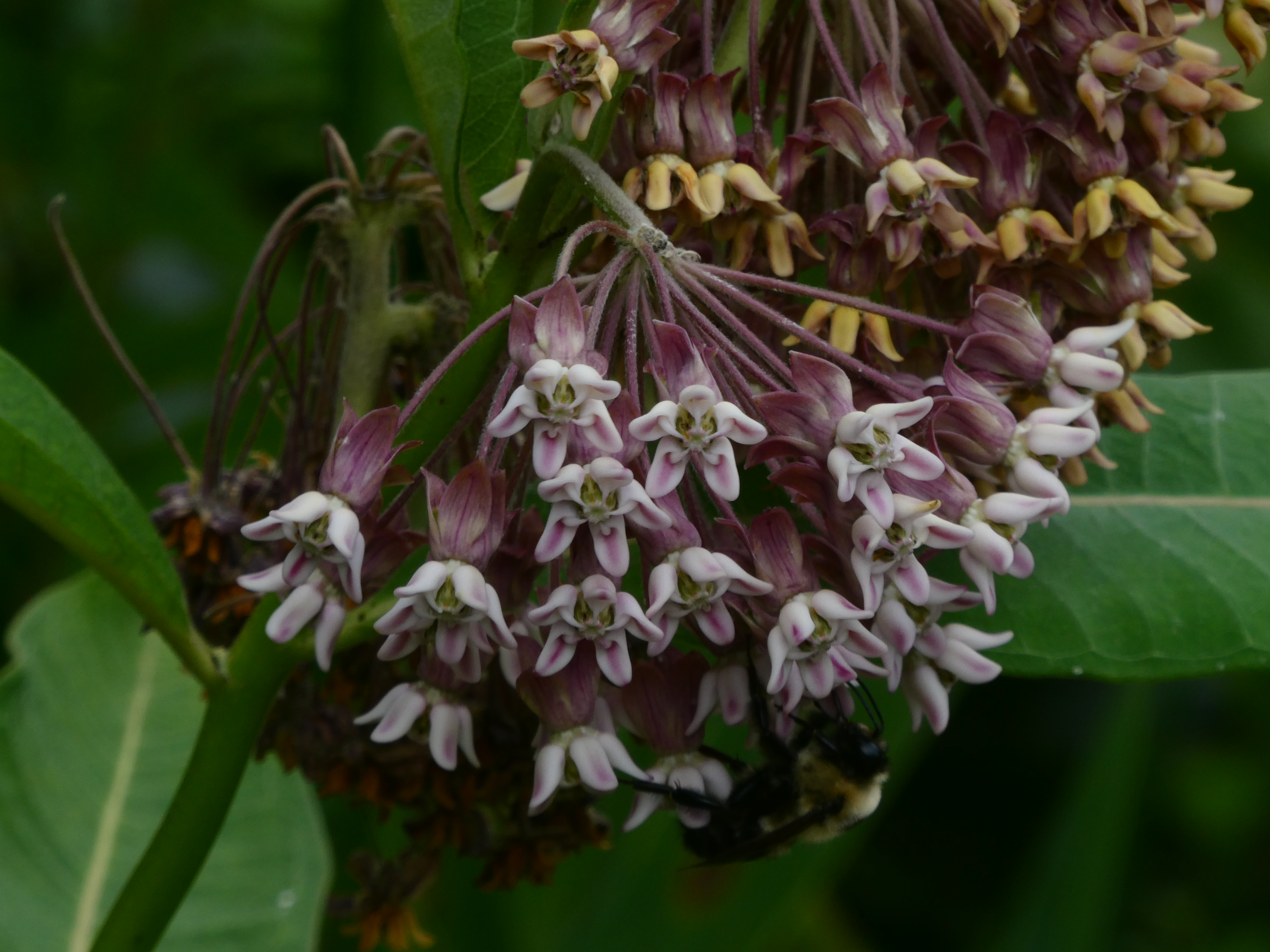 Milkweed: Asclepias tuberosa. Attracts butterflies, and is a larval host and nectar source for the Monarch butterfly.
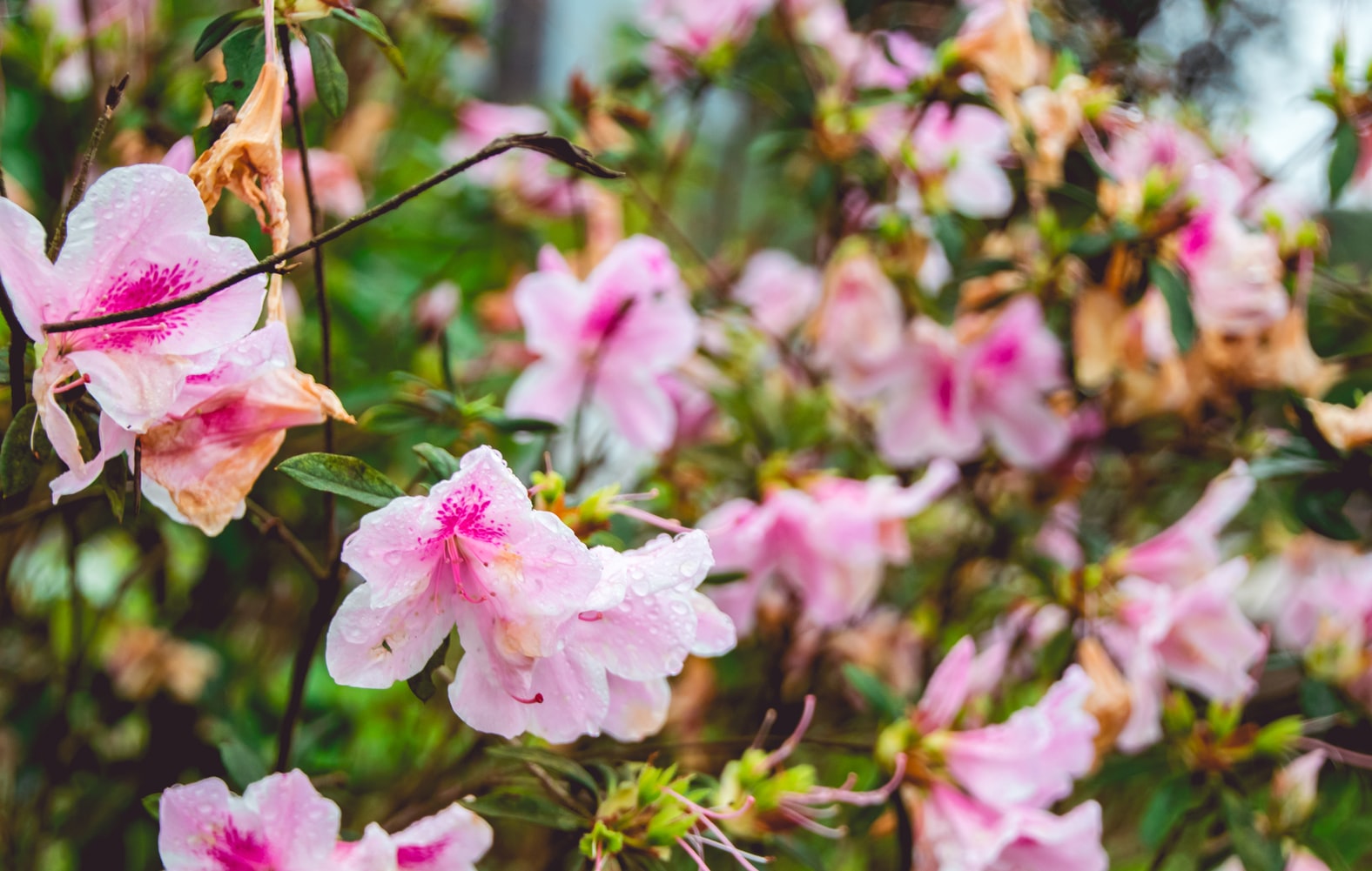
Wild Azaleas: Rhododendron periclymenoides. The species name, Latin for naked-flowered, refers to the fact that the flowers often appear before its leaves are fully expanded.
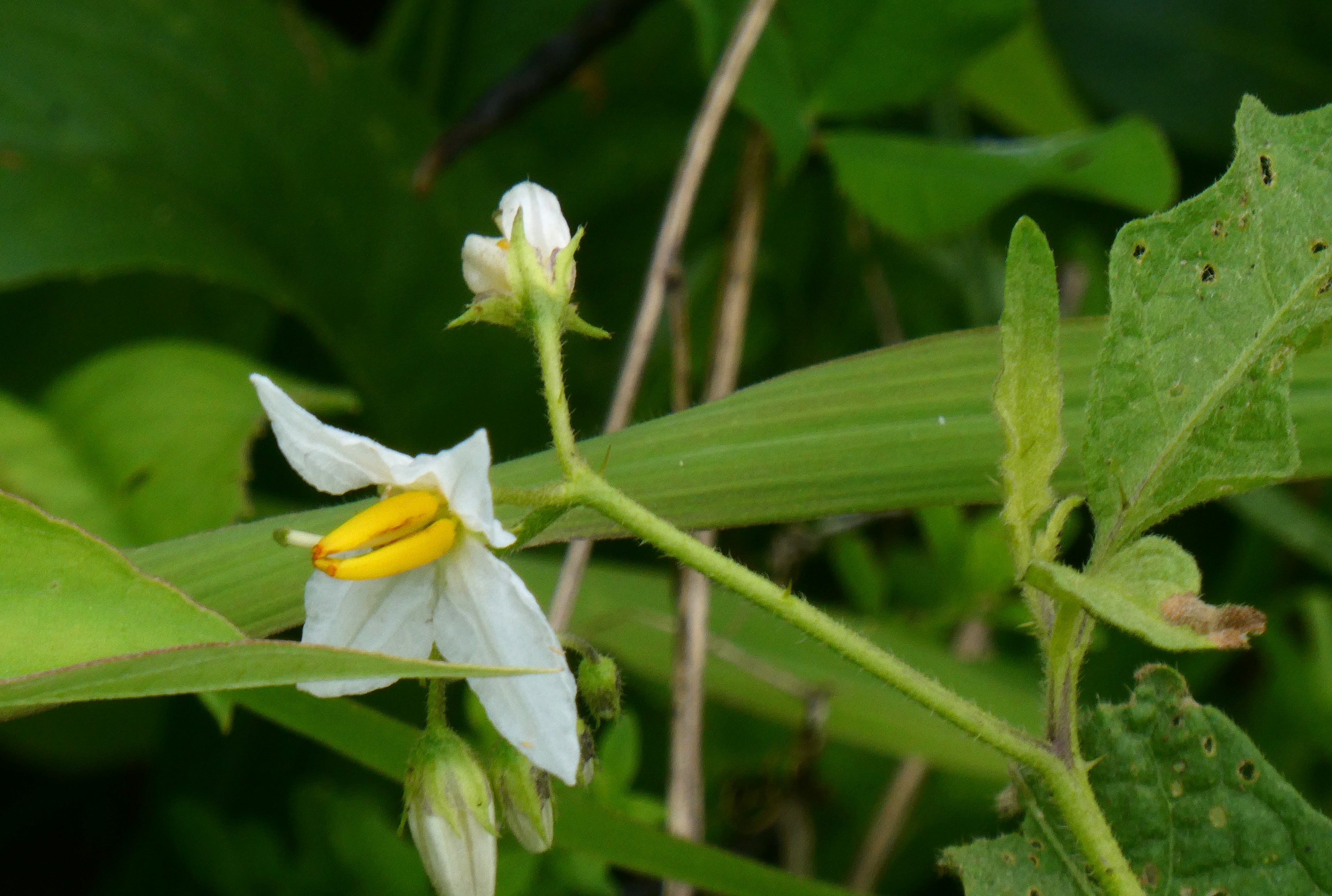
Dwarf Crested Iris: Iris cristata. Attracts hummingbirds and bees.
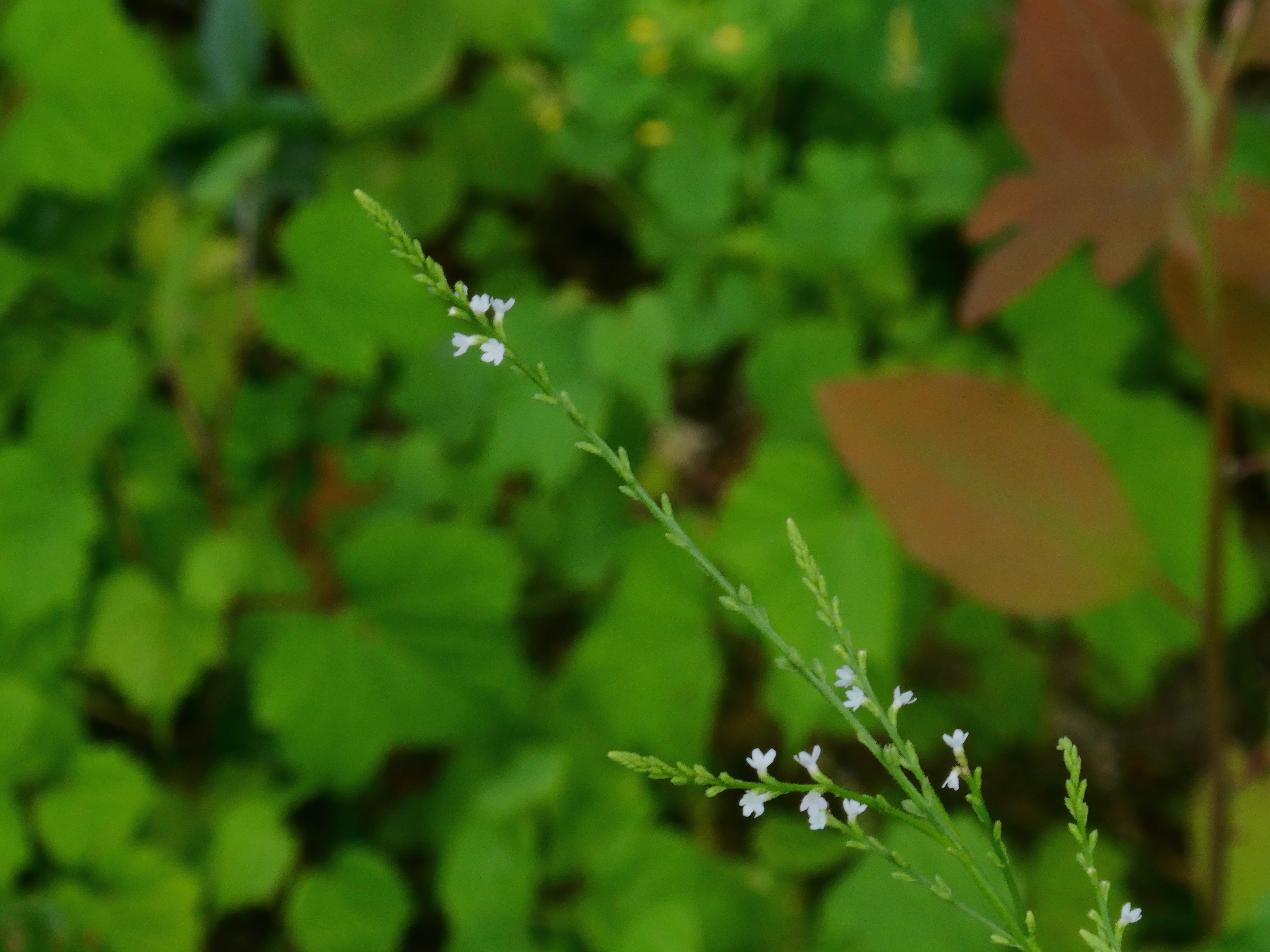
White Vervain:Verbena hastata. Found naturally in meadows and swamps. Historically thought to be a cure for many ailments and is still used for medicinal purposes today, commonly sore throats and respiratory tract diseases.
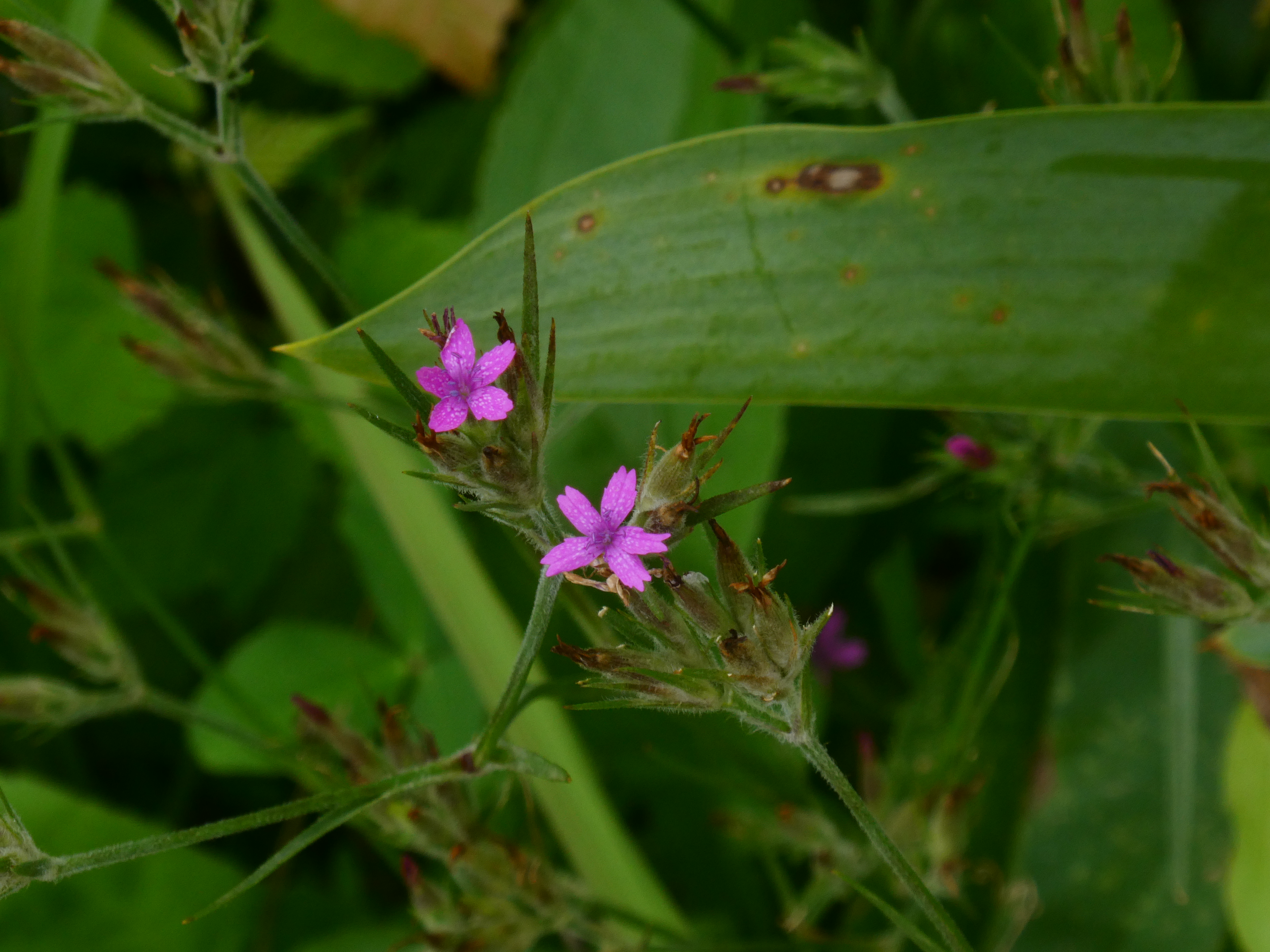 Deptford Pinks: Dianthus armeria. A biennial with high seeding capacity (400 seeds per plant!). Blooms in June and July in Virginia. Look for it in sunny meadows or on the side of the road.
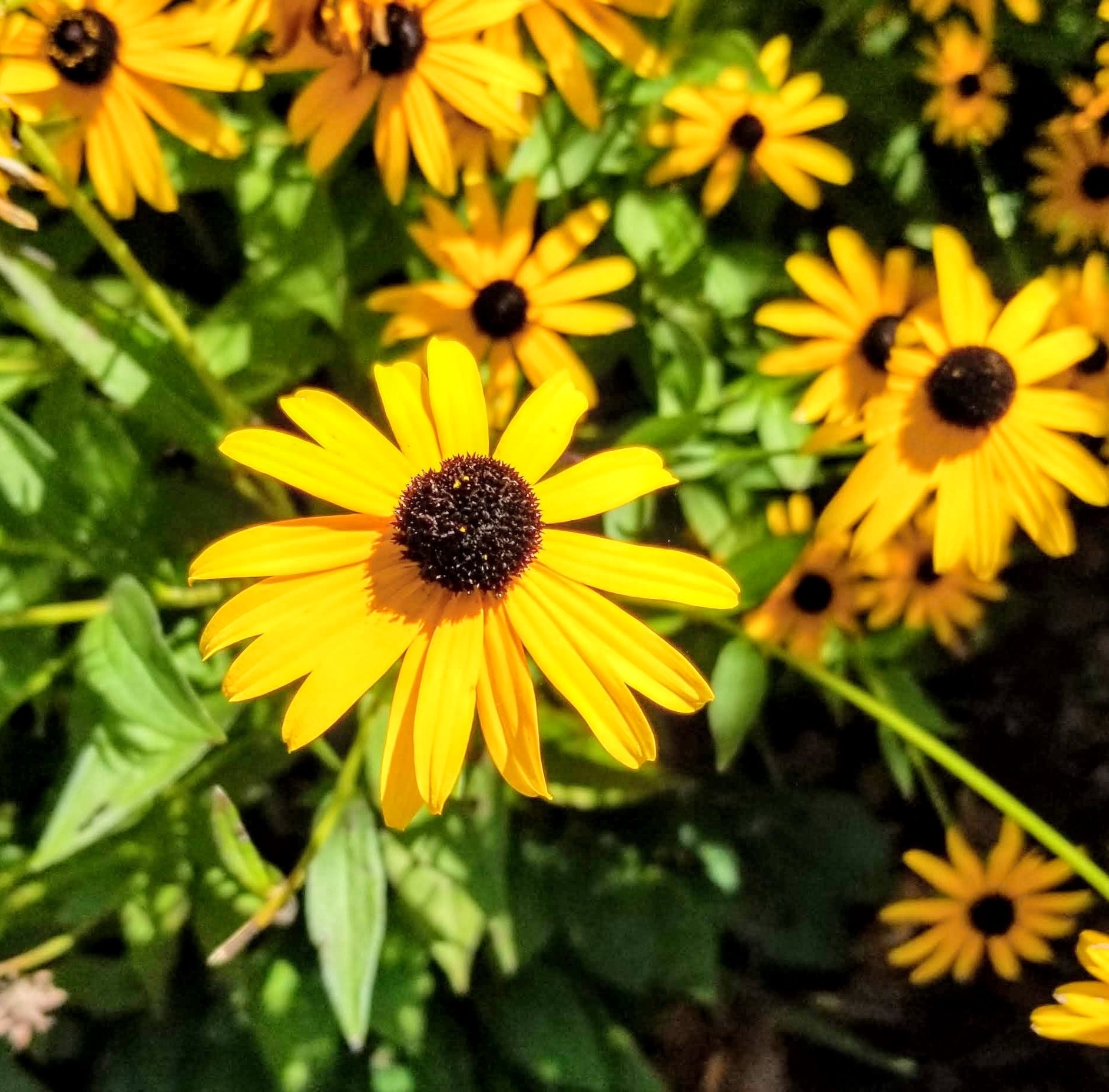 Black-Eyed Susans: Rudbeckia. The seed heads are a favorite food source for goldfinches and chickadees.

